
I am inclined to write this piece as I was taken aback on reading the post that the police enforcement agencies have arrested 20 LGBT people and charged them for not following social distancing norms properly.
The world events that have surfaced in the past few days have forced us to take a good look at our socially meek lifestyles and cutting to the chase jobs. This downtime is not only for us as individuals to reflect on our own lives but to really reflect on how and in what ways society has been functioning. What are the core values and common belief systems which we share as humans?
When I read the news of the Ugandan LGBT community being discriminated in the garb of violations of social distance norms, I immediately took to the web and on researching found out that till date only 28 countries have legalized same-sex relationship/marriage. 73 jurisdictions have criminalized same-sex relationships, other 45 jurisdictions specifically criminalize sexual relations between women, 12 jurisdictions, in fact, categorise having a same-sex relationship as a crime so grave that a death penalty could be awarded for it, more so in some 15 odd jurisdictions, the right to expression as transgender has been itself banned.
The provision which awards death penalty on just having a different orientation than what is “acceptable” in the strictures of traditional society is not just banal but is reflective of what we can call as “homophobia”. Every so often there are reported incidents of the discrimination and consequential violence being inflicted upon the LGBT community. No matter how modern of society seems, how economically flourishing the corporations are, the roots of such societies still continue to be antediluvian. In such a backdrop, what steps should we as the international community start taking?
The first and foremost step can only be taken by the government in a society which is so ingrained to believe that the LGBT orientation is something which needs medical fixation. Hypothetically, if the Ugandan police would not have misused its powers and discriminated against the LGBT community by arresting them, the same would have paved the way for social acceptance. Secondly, even if courts or the legislators in a particular country have not regularized/ recognized the rights of LGBT community, we do now have strong internet bases and communities which regularly sensitize people and spread awareness. It’s by engaging with these communities and portals that we can regularly engage in debates while not taking LGBTs as a taboo.
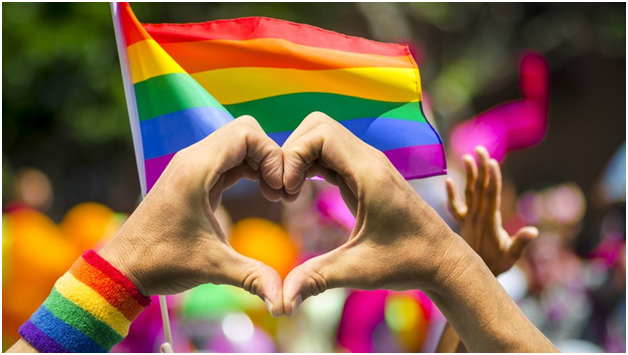
What goes without saying is the fact that the utmost responsibility is of individual State parties and governments to prepare societies and help them in taking the next step. The regeneration in such cases can start at any point in time and through various avenues. For example, in India, there are literary fests where people from the LGBT community are provided with a platform to speak about their experiences and in some cases stage their artistic skills. Pride Parades have happened in different parts of the world and continue to serve as a platform for the LGBT community and the sensitization of their rights. The idea is to amalgamate the LGBT community in mainstream society rather than making them feel like an outsider or at worst “different”.
The statistics that I have quoted above speak for most of the commonwealth countries where the media and people have come out and about in open about their orientation, despite, the accounts of discrimination continue to be reported. We are already living in the times of fear and panic, the governments of these States should actively monitor the situation and take the task upon them to look into such discrimination being committed and sensitize people about the rights of the LGBT community. The reflection surely starts from within; here reflection is required in governance.

 Law and Public Policy Blog